

Industrial joysticks have become critical components in modern machinery and control systems. These robust input devices offer precise control in demanding environments, making them indispensable across numerous industries. This article explores 5 essential industrial joysticks applications that demonstrate their versatility and importance.
1. Heavy Machinery Operation
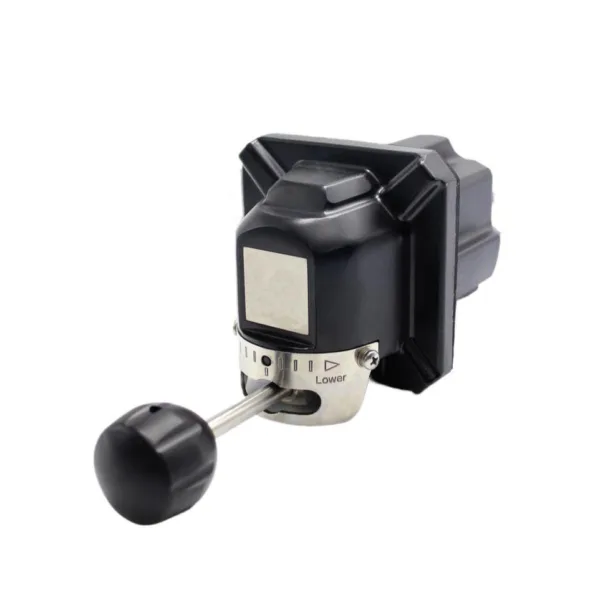
One of the most common industrial joysticks applications is in the operation of heavy construction equipment. Excavators, cranes, and bulldozers rely on industrial joysticks for precise movement control.
Modern hydraulic systems paired with industrial joysticks allow operators to:
- Control multiple functions simultaneously
- Execute delicate maneuvers with millimeter precision
- Operate machinery safely in confined spaces
The durability of industrial joysticks ensures reliable performance even in dusty, wet, or extreme temperature conditions common on construction sites.
2. Robotics and Automation
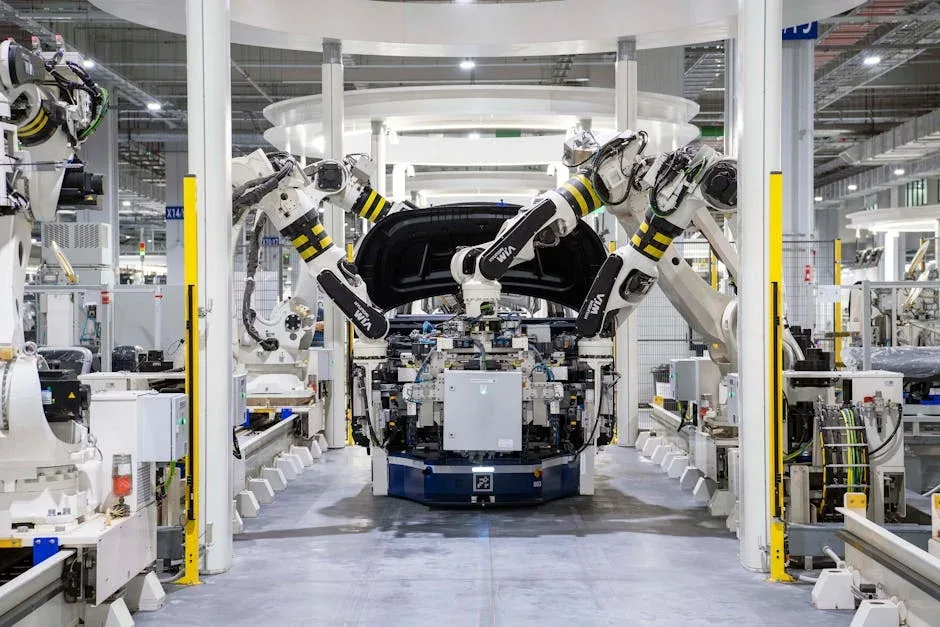
In automated manufacturing systems, industrial joysticks serve as the primary human-machine interface for robotic control. These applications include:
- Programming robotic arms for precise movements
- Controlling automated guided vehicles (AGVs)
- Operating collaborative robots (cobots) in shared workspaces
The high-precision feedback from industrial joysticks enables smooth acceleration and deceleration control, essential for preventing product damage in automated assembly lines.
3. Marine and Offshore Equipment
Marine applications demand particularly rugged industrial joysticks designed to withstand:
- Saltwater corrosion
- Constant vibration
- Extreme weather conditions
Key industrial joysticks applications in marine environments include:
- Ship steering and thruster control
- Offshore crane operations
- ROV (Remotely Operated Vehicle) manipulation
Waterproof and corrosion-resistant industrial joysticks ensure reliable performance in these critical marine operations.
4. Medical Equipment Control
In the medical field, specialized industrial joysticks enable precise control of:
- Surgical robots for minimally invasive procedures
- Patient lift systems in hospitals
- Diagnostic equipment positioning
Medical-grade industrial joysticks feature:
- Smooth, vibration-free operation
- Easy-to-clean surfaces
- Ergonomic designs for prolonged use
These specialized industrial joysticks applications contribute to improved patient outcomes and healthcare worker safety.
5. Aerospace and Defense Systems
Military and aerospace applications represent some of the most demanding industrial joysticks applications, including:
- Unmanned aerial vehicle (UAV) control
- Flight simulator systems
- Weapons system targeting
Aerospace-grade industrial joysticks must meet stringent requirements for:
- Extreme reliability
- EMI/RFI shielding
- Vibration and shock resistance
These high-performance industrial joysticks often incorporate force feedback and multiple degrees of freedom for superior control.
As we’ve explored in these 5 essential industrial joysticks applications, these versatile control devices play a vital role across diverse industries. From construction sites to operating rooms, industrial joysticks provide the precise, reliable control needed for critical operations.
The future of industrial joysticks applications looks promising, with advancements in haptic feedback, wireless connectivity, and AI-assisted control opening new possibilities. As industries continue to automate and demand greater precision, industrial joysticks will remain indispensable tools for machine control.
Precision control devices play a crucial role in modern industrial operations, with industrial joysticks being among the most versatile solutions available today. These robust input mechanisms have evolved significantly, offering enhanced functionality across numerous sectors. This comprehensive guide examines seven critical applications where these control devices deliver exceptional performance and reliability in demanding environments.
1. Heavy Construction Equipment Operation
Modern construction sites rely heavily on advanced control systems for operating heavy machinery. These specialized control devices enable operators to manage complex hydraulic systems with remarkable precision.
Key benefits in construction applications include:
- Simultaneous control of multiple machine functions through intuitive interfaces
- Precision movement capability down to millimeter accuracy for delicate operations
- Enhanced safety features that prevent accidental movements in crowded worksites
- Customizable resistance settings that adapt to different operational requirements
Manufacturers have developed specialized versions that withstand constant vibration, dust exposure, and extreme temperature fluctuations common in construction environments.
2. Industrial Robotics and Automation Systems
Automation has transformed manufacturing processes, with control interfaces serving as critical components in robotic systems. These applications demand exceptionally precise input devices.
Notable implementations include:
- Programming and manual override controls for articulated robotic arms
- Navigation systems for automated guided vehicles in warehouse operations
- Precision control interfaces for collaborative robots working alongside human operators
- Teleoperation systems for hazardous environment robotics
Advanced models incorporate force feedback and multi-axis control capabilities, enabling operators to “feel” resistance and adjust movements accordingly during delicate assembly processes.
3. Marine and Offshore Control Systems
Maritime applications present unique challenges that require specially engineered control solutions. The marine environment demands equipment that can withstand harsh conditions while maintaining precise operation.
Critical marine applications include:
- Dynamic positioning systems for offshore vessels
- Precision control of deck machinery and winch systems
- Remotely operated vehicle (ROV) manipulation for underwater operations
- Thruster control systems for specialized marine vessels
Marine-grade versions feature complete waterproofing, corrosion-resistant materials, and specialized coatings that protect against saltwater exposure while maintaining smooth operation.
4. Medical Equipment and Assistive Technology
The healthcare sector has adopted specialized control interfaces for various medical applications where precision and reliability are paramount. These implementations often require unique design considerations.
Important medical applications include:
- Control interfaces for robotic surgical systems enabling minimally invasive procedures
- Patient lift systems in hospitals and care facilities
- Motorized wheelchair controls adapted for users with limited mobility
- Diagnostic imaging equipment positioning systems
Medical versions prioritize smooth operation, easy sterilization, and ergonomic designs that reduce operator fatigue during lengthy procedures.
5. Aerospace and Defense Applications
Aerospace and defense systems require control solutions that meet exceptionally high standards for reliability and precision. These applications often push the boundaries of control technology.
Key aerospace and defense implementations:
- Flight control systems for unmanned aerial vehicles (UAVs)
- Weapons system targeting and tracking interfaces
- Flight simulator controls for pilot training programs
- Ground support equipment for aircraft maintenance
These high-performance versions undergo rigorous testing for electromagnetic interference resistance, vibration tolerance, and extreme environmental operation.
6. Agricultural Machinery Control
Modern farming equipment has incorporated sophisticated control systems to improve efficiency and precision in agricultural operations. These implementations help automate complex tasks.
Agricultural applications feature:
- Precision guidance systems for automated steering
- Implement control for planters, sprayers, and harvesters
- Multi-function controls that reduce operator workload
- Telemetry systems that adjust settings based on field conditions
Agricultural versions are designed to withstand constant vibration, dust, and chemical exposure while providing reliable operation season after season.
7. Material Handling and Logistics
Warehouse operations and logistics centers utilize specialized control interfaces to improve handling efficiency and operator comfort. These applications often require intuitive operation.
Material handling implementations include:
- Forklift and order picker controls in distribution centers
- Crane and hoist operation in manufacturing facilities
- Conveyor system control interfaces
- Automated storage and retrieval system controls
Ergonomic designs with adjustable sensitivity help reduce operator fatigue during extended shifts while maintaining precise control of heavy loads.
The diverse applications of industrial control interfaces demonstrate their critical role across multiple sectors. From construction sites to surgical rooms, these precision devices enable operators to perform complex tasks with enhanced accuracy and efficiency.
As technology advances, we can expect to see continued innovation in control system design, including improved haptic feedback, wireless connectivity, and AI-assisted operation. The future will likely bring even more sophisticated implementations as industries increasingly adopt automation and precision control solutions.
When selecting control systems for industrial applications, it’s essential to consider environmental factors, required precision levels, and operator ergonomics to ensure optimal performance and reliability in specific use cases.